Soft goods product design is challenging because of the translation gap between people inventing and people building the product.
A typical process usually involves designers developing the concept through a first sample, potentially with a soft goods prototyping consultancy, and then sharing that sample with engineering teams and factory partners. However, most engineers don’t have a background in soft goods design and therefore run into issues identifying what will be challenging about the product to manufacture, how risky those steps are, and the appropriate factory partners to meet cost and performance expectations.
With 9 years of expertise in bridging exactly this gap, Oplossing Design specializes in smoothing out the transition between first sample and mass production process.
Services we provide for process development projects:
- Design review with the design and engineering teams
- Design for manufacturability (DFM) discussions with in-house and vendor teams
- We have experience with a wide array of processes, from die cutting and cut&sew, to heat forming, overmolding, welding, and embellishment via printing, embroidery, etc.
- Design for sustainability and longevity feedback
- Supplier partner identification
- Materials recommendations
- Sample review and engineering build support
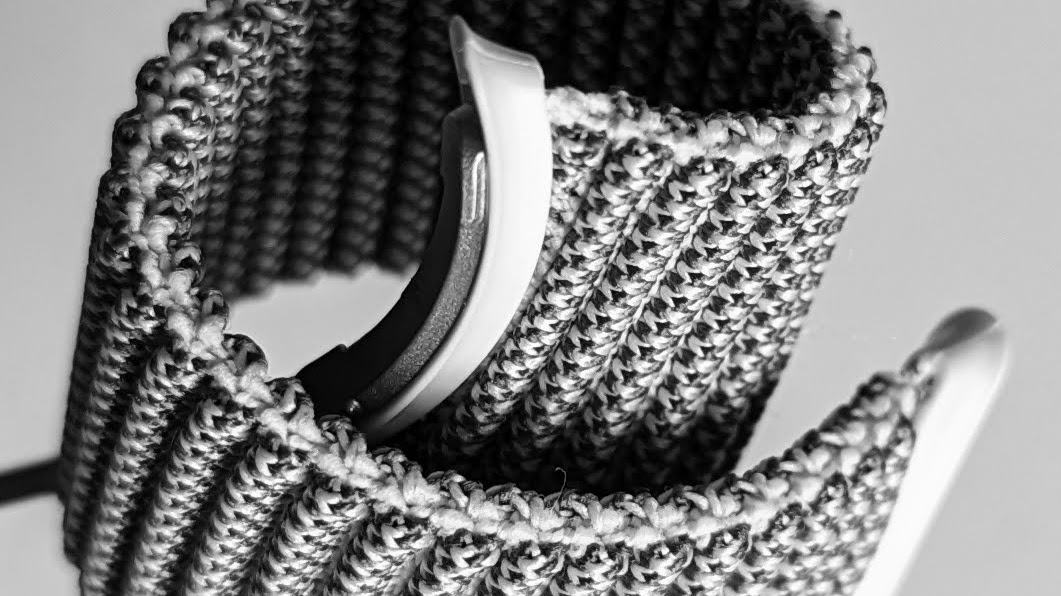
Case study: Google Watch Bands
Oplossing principal engineer, Laura Shumaker, reflects on the process development process, completed in 2020:
The early samples of Google’s textile watch band were beautiful, compellingly simple, and created in a special sampling lab. When ID brought these samples to product design engineers and the selected factory partner, the verdict was that they were not mass producible, as designed. I was invited to join the team and identify ways to solve this impasse. I asked for more detailed information on machinery and machine settings used at the sampling lab and the factory, identified differences, and led validating a process that respected the materials science but was suitable for the factory’s equipment. By asking questions that the engineering team did know to begin with, I helped the team ship the textile band ID had envisioned, for 22% less than target cost and with higher durability.
 Oplossing Design